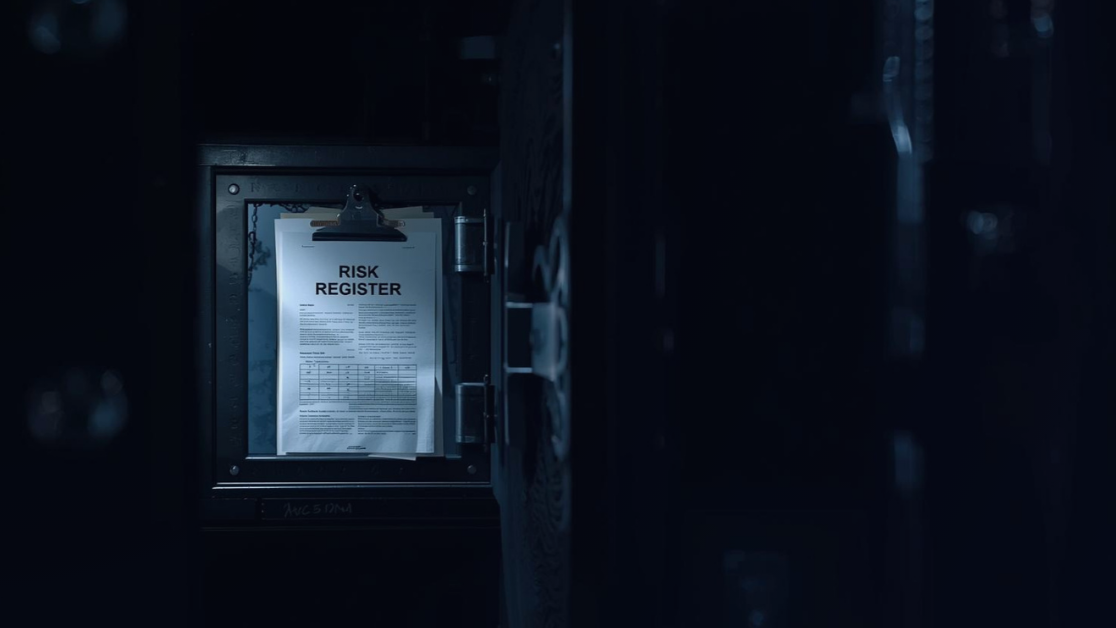
Most risk registers mentioning safeguarding look reassuring.
They list the right headings. They reference the right policies. They are reviewed at the right meetings. And yet, when safeguarding failures occur, they almost never come from a missing document. They come from something far harder to capture.
The problem with static safeguarding risk
Traditional safeguarding risk registers tend to focus on what exists rather than what happens.
They tell us:
- that training has been delivered
- that reporting routes are in place
- that procedures have been approved
What they rarely tell us is:
- how decisions are actually made under pressure
- how long cases sit without review
- where responsibility becomes blurred
- how much safeguarding relies on one experienced individual holding everything together
These are not theoretical risks. They are operational ones. And they change constantly.
Where safeguarding risk actually sits
In practice, the most significant safeguarding risks I see sit in places like:
- Staff turnover — When knowledge leaves with people, not processes
- Informal decision-making — When judgement replaces clarity because systems do not support it
- Case drift — When no one is certain who owns the next step, so nothing moves
- Single points of failure — When one trusted person becomes the system
None of these show up neatly in a quarterly risk register. But all of them show up very clearly when something goes wrong.
The uncomfortable question leaders avoid
One question consistently changes the tone of safeguarding conversations:
If your most experienced safeguarding lead left tomorrow, what would fail first?
If the honest answer is:
- case continuity
- confidence in decision-making
- oversight of live risk
then the risk is not theoretical. It is already present.
Why visibility matters more than reassurance
Safeguarding risk cannot be properly understood without looking at live practice. This is where structured case management becomes critical.
When safeguarding activity is visible, organisations can finally see:
- where cases are stalling
- where escalation thresholds are unclear
- where pressure is building in the system
This is exactly the gap Patronus Safeguarding was built to address.
Not to replace professional judgement. Not to create scrutiny for its own sake.
But to make safeguarding practice:
- visible
- auditable
- supportable
Because risk that cannot be seen cannot be managed.
From assumption to evidence
Many safeguarding assurance conversations are still built on phrases like:
- “We believe…”
- “We’re confident that…”
- “We’ve always done it this way…”
Those statements feel reassuring. They are not evidence.
Live case data, clear timelines and recorded decisions change the conversation completely. They move safeguarding assurance from confidence to clarity.
A final reflection
Safeguarding risk is rarely absent.
It is usually hidden.
If your safeguarding assurance still relies primarily on static documents and retrospective review, it may be time to ask what your live practice would show if you could see it properly. That is not about finding fault. It is about taking safeguarding seriously enough to look honestly.
Want to know more about Patronus Safeguarding? or get in touch.